Two ways to replace a window
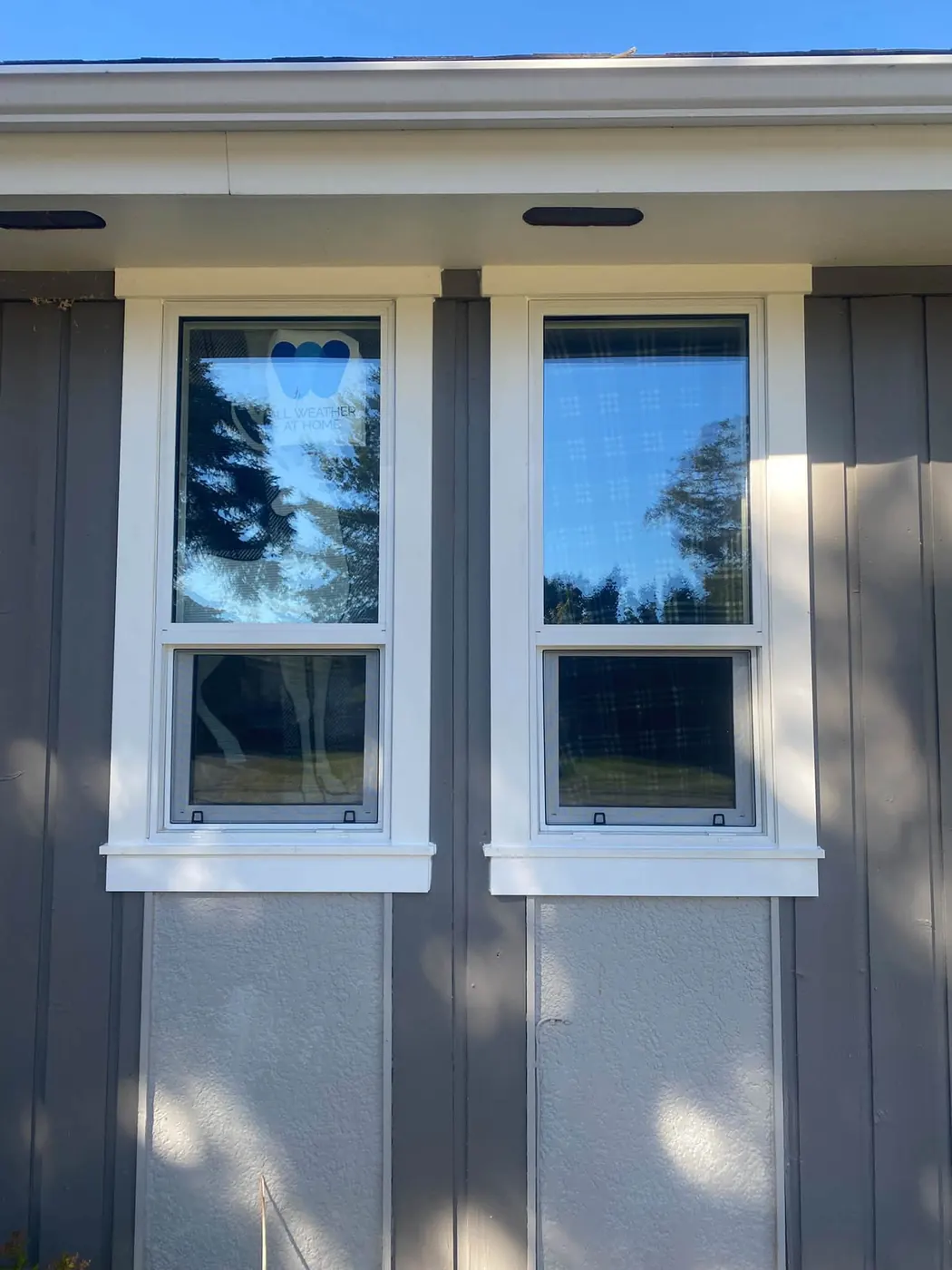
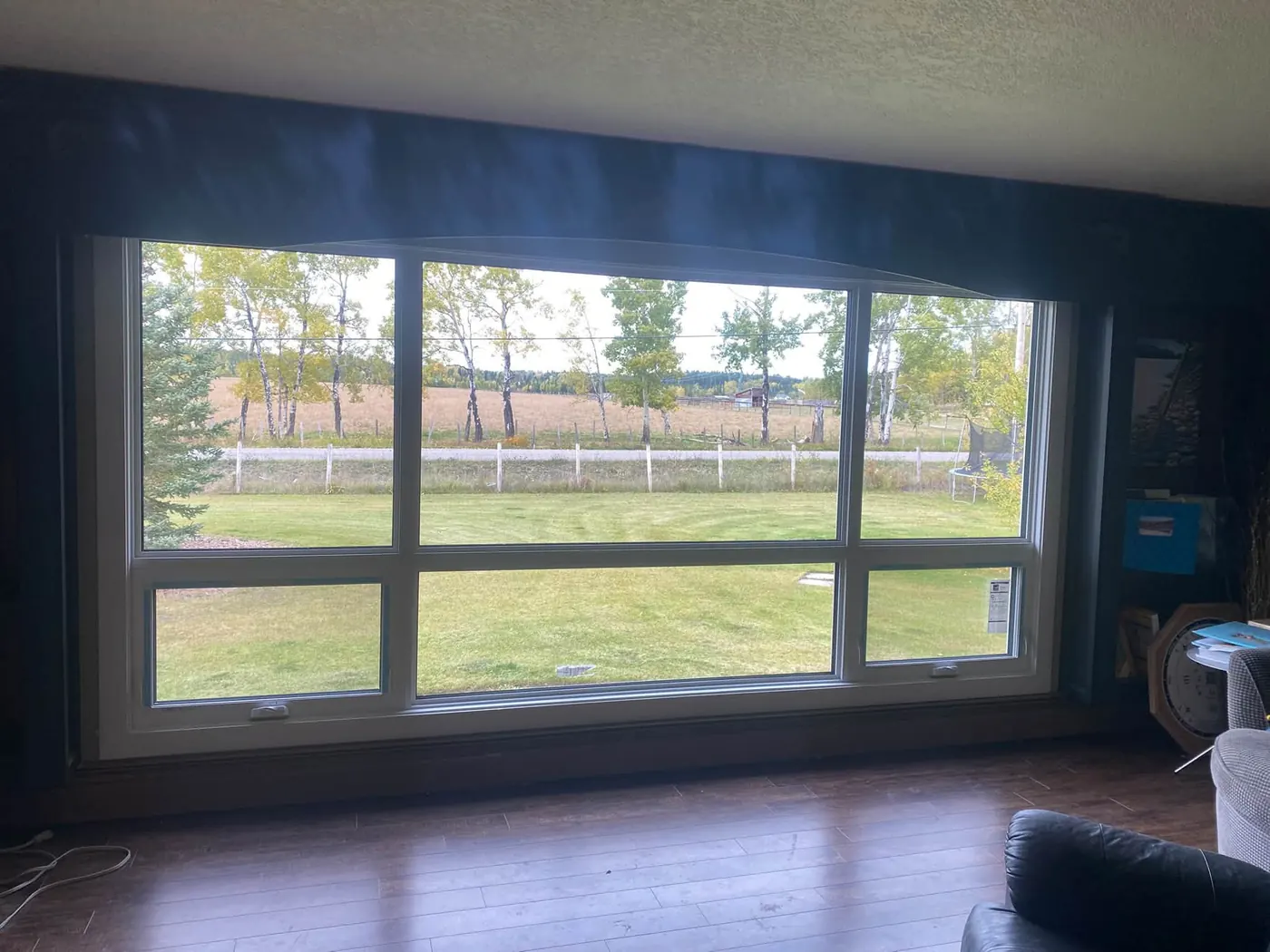
Natural Resources Canada describes two ways to replace an existing window. An insert retrofit places a new window into the existing frame. A complete tear-out, often called full-frame replacement, removes the old window including its frame. Names vary between quotes, so ask what will be removed and what will stay.
NRCan notes that an insert is usually less expensive and minimizes disturbance to the surrounding wall and trim. A tear-out allows the installer to make an airtight, insulated seal to the rough opening, and the original glass area is usually retained or enlarged.
When the existing frame can stay
NRCan advises that an insert should be done only if the existing frame has not deteriorated and is properly sealed and insulated. Condition can vary from window to window, so one method may not suit every opening.
BC Housing lists warping, misaligned components, soft or rotting wood, gaps at the corners of vinyl or metal frames and difficulty opening, closing or locking as signs of frame deterioration. Water around the perimeter, or cracked or peeling paint nearby, can signal water getting in. Mention anything you have noticed.

Ask how the window will be installed
NRCan warns that a poorly installed window may not operate properly, could cause cold drafts and may let water leak into the home. CMHC adds that window ratings are measured on the unit, not as installed in a wall.
Ask how the window will be sealed and insulated where it meets the frame or rough opening, and how flashing will direct water away. NRCan also calls for a level, square window, with tapes and caulking used as the manufacturer recommends. BC Housing notes that some installation procedures typically damage interior trim or drywall, so ask what finishing is included.
Compare quotes on the same basis
- Method: insert or tear-out for each opening, and why.
- Frame condition: which frames were inspected and what was found.
- Product: manufacturer, model, glass package and energy performance label.
- Installation: sealing, insulation and flashing details.
- Finishing: interior trim, drywall and exterior finishing.
- Contractor: relevant experience, references, WorkSafeBC clearance, liability insurance and warranty information.
If only some windows are replaced, NRCan suggests asking the contractor to check and replace defective weatherstripping on the rest. Ask how hidden damage found during removal will be priced before extra work proceeds.
Prepare for the estimate
List the windows you want replaced, note any that are drafty, hard to operate or stained, and share photos you already have. Leave removing trim or probing frames to the contractor.
Lipstick installs Canadian-made All Weather At Home windows, including casement, slider, awning, picture, single hung, hopper, bay and bow and custom styles, in Prince George and Northern BC. Explore our replacement windows in Prince George, or request a free estimate to discuss which installation method suits your openings.