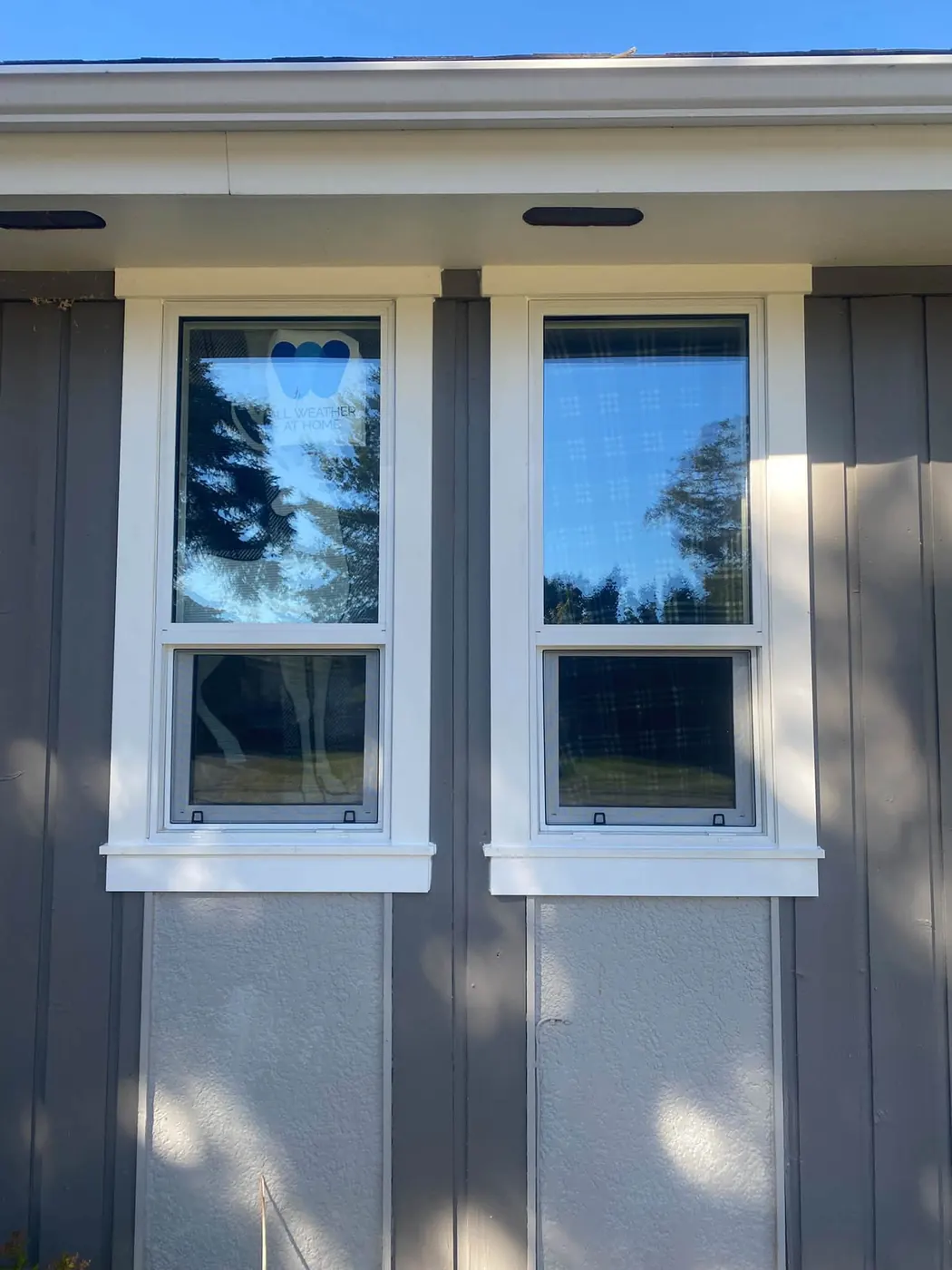
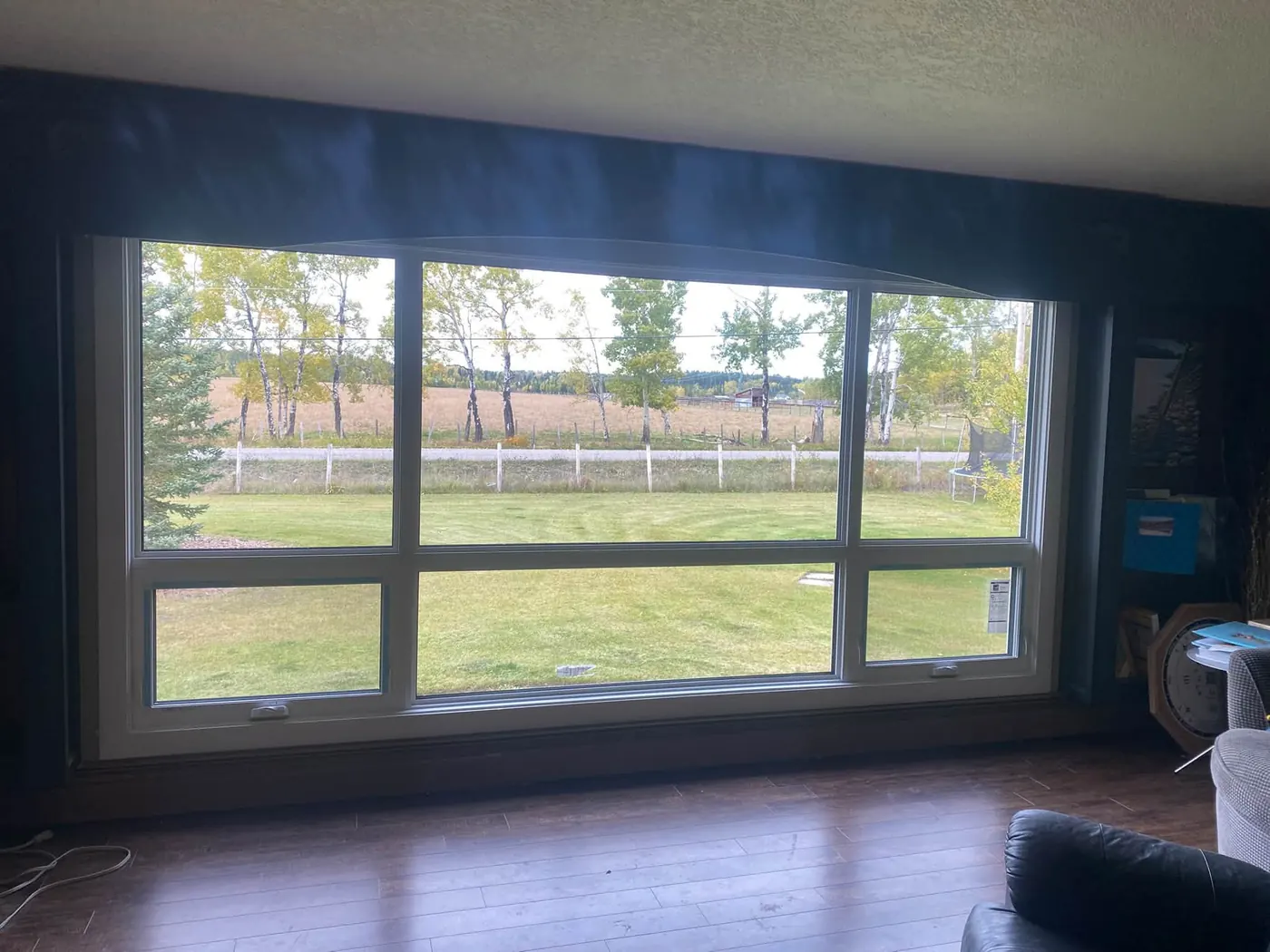
What fogging between the panes means
Multiple panes of glass sealed together form an insulated glass unit, or IGU, often called a sealed unit. BC Housing explains that fogging or moisture between the panes is a sign that the seal has failed, allowing humid air into the space between the glass.
Windows with storm panes are different. Natural Resources Canada notes that condensation between non-sealed panes comes from moist house air leaking past the inner pane; its remedy is weatherstripping the inner sash and keeping weep holes open.
Rule out surface condensation
Moisture on the room side of the glass is different again. It forms when moisture in warm indoor air meets cold glass or frame surfaces. CMHC lists indoor humidity, air leakage and blinds or drapes among the factors involved, and NRCan suggests reducing humidity and improving ventilation.
NRCan also notes that some homeowners find surface condensation gets worse after new windows are installed, because the old, leaky windows had helped to reduce humidity. New glass alone may not resolve it.

Glass unit or whole window?
A failed seal does not automatically mean a new window. NRCan says condensation inside a sealed unit is best corrected by replacing the glazing unit, and BC Housing notes that replacing the IGU is faster and less costly than replacing the whole window, including its frame.
Some specialty companies refurbish failed sealed units. NRCan considers this a temporary fix that will not offer the same original energy efficiency, so ask whether a supplier is replacing the unit or treating it.
What to check before deciding
- Location: is the moisture between the panes, or on a surface you can reach?
- Warranty: is the window still under warranty? Gather any original paperwork.
- Frame: look for warping, soft or rotting wood, gaps at the corners, or difficulty opening, closing or locking.
- Sash and hardware: note the condition of weatherstripping, cranks and locks.
- Pattern: are frames and hardware worn throughout the house, or only at one window?
You can answer these questions by looking. Leave removing glass, sashes or trim to the installer.
When a new window may make more sense
A new sealed unit does not fix the frame around it. BC Housing notes that frame issues such as condensation, open mitres or a cracked frame are not addressed by a new IGU, and that it may be better to upgrade the frame when an IGU fails. NRCan likewise says that if the frame is in poor condition, it may be time to replace the unit. Ask the estimator to explain both options.
When replacement is the better route, Lipstick installs Canadian-made All Weather At Home windows, with dual and triple pane options, Low-E coatings and argon fill, in Prince George and Northern BC. Explore replacement windows in Prince George, or request a free estimate to discuss the fogged windows in your home.